Holy Sites of Madina
Explore the holy sites of Madinah which tells the story of faith, sacrifice, and brotherhood. These landmarks preserve the notable legacy of Prophet Muhammad (P.B.U.H) and his companions, inspiring every pilgrim to renew their faith.
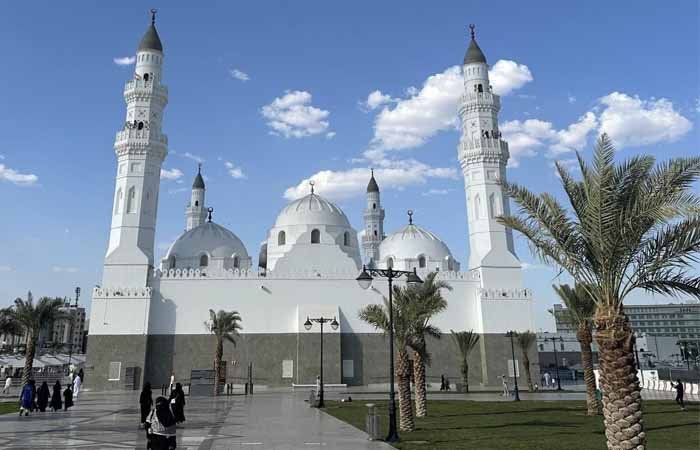
Masjid Quba is the first mosque in Islam. It stands south of Madinah. The Prophet Muhammad (peace be upon him) built it after his migration from Makkah to Madinah. The Prophet said, “Whoever performs ablution in his house and then goes to pray in Masjid Quba will receive the reward of an Umrah.”
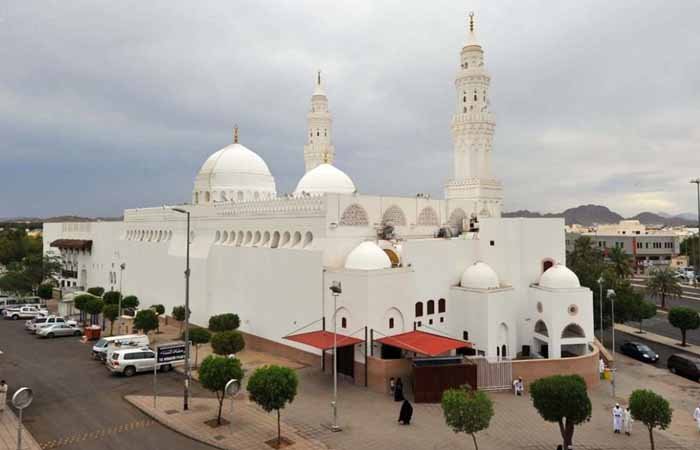
This mosque is notable as the site where Prophet Muhammad (PBUH) changed the prayer direction. After receiving a divine revelation, he and his companions turned from Jerusalem toward the Kaaba.
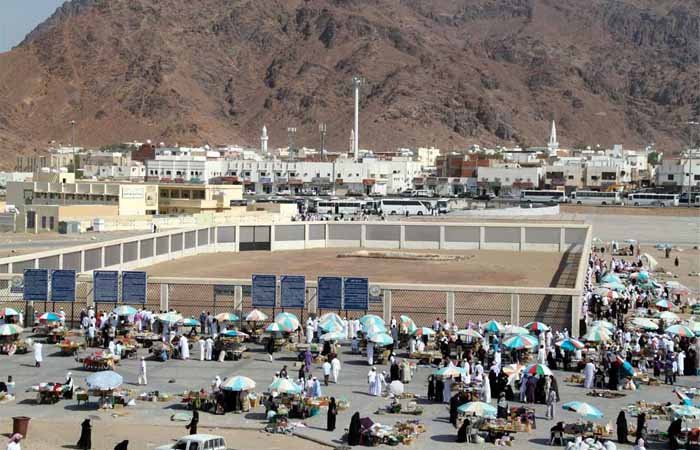
This is the site of the pivotal Battle of Uhud. It took place in the third year after the Prophet’s migration to Madinah. In addition, the Uhud Martyrs Cemetery contains the graves of seventy companions, including Hamza ibn Abdul-Muttalib.
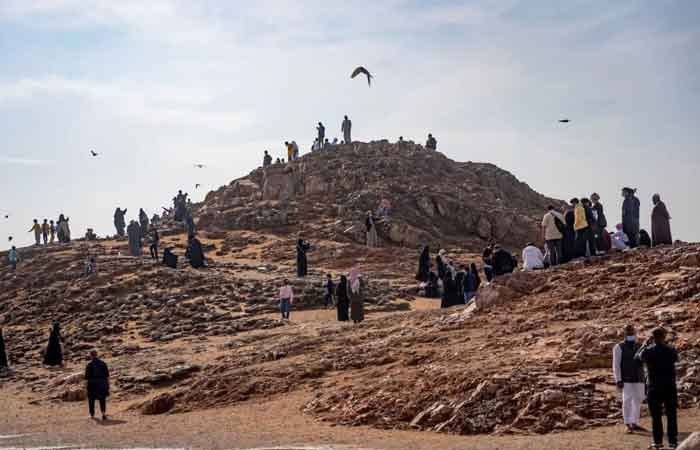
In the third year of Hijrah, the Muslims fought the Quraysh army under the leadership of the Prophet Muhammad (peace be upon him). During the battle, the Prophet positioned fifty archers on this hill to protect the Muslim army’s rear. However, some archers left their posts prematurely, and as a result, the battle’s outcome shifted dramatically.
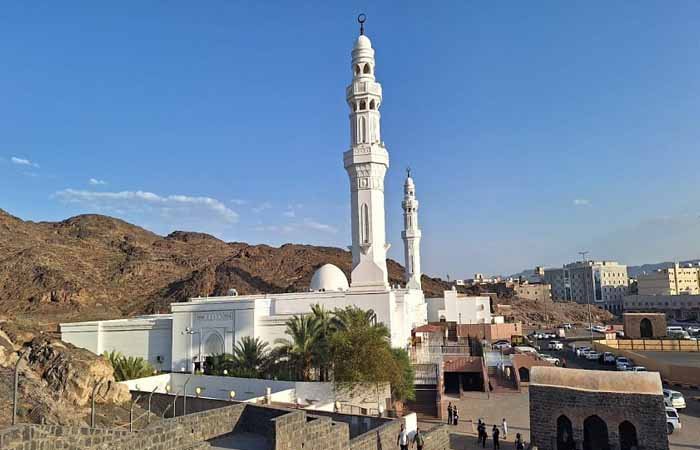
The Quraysh and their allied tribes advanced toward Madinah during the Battle of the Trench in the fifth year of the Hijrah. At this site, the Muslims dug a trench to defend the city. As a result, Allah turned the confederate forces back in defeat without a decisive battle, and this victory strengthened the believers’ faith.
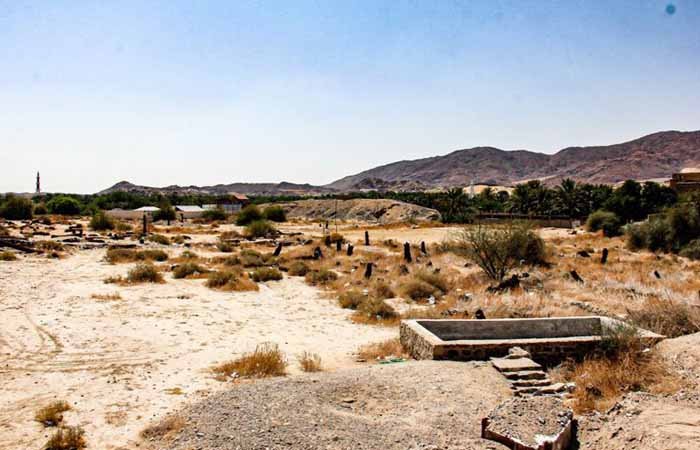
Badr lies west of Madinah and served as a significant gathering place for the Arabs during the pre-Islamic era. In fact, its strategic location placed it on the major trade and pilgrimage routes. Later, the Muslims and the Quraysh fought the decisive Battle of Badr here, and ultimately, Allah granted the Muslims a miraculous victory.
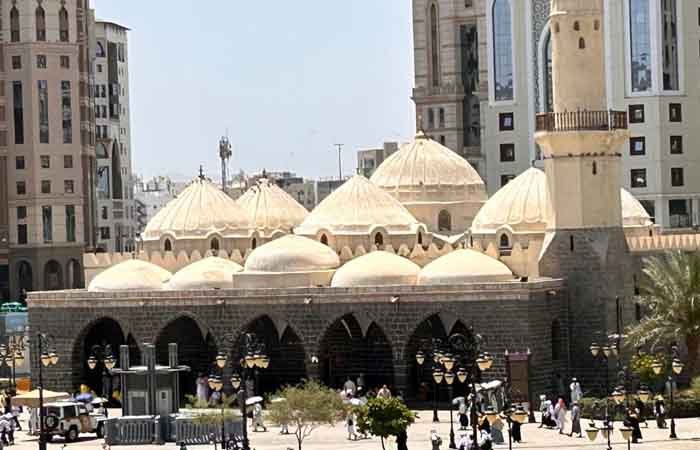
Originally, the site served as an open-air prayer ground where the Prophet (peace be upon him) performed Eid and rain-seeking (Istisqa) prayers during the final years of his life.
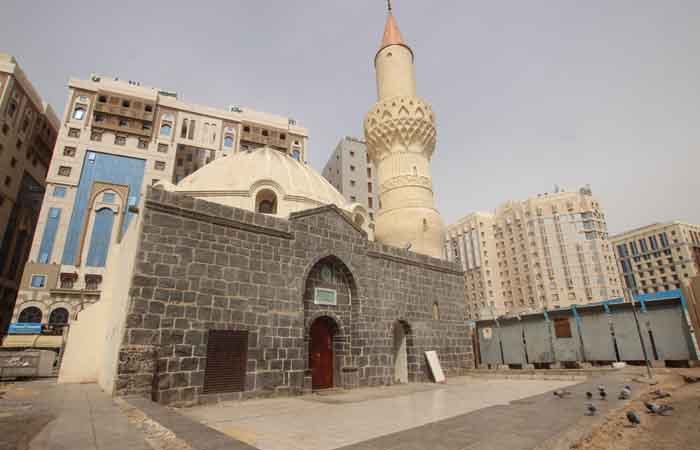
This mosque stands in the Musalla area at one of the locations where the Prophet (peace be upon him) performed Eid prayers. Historical accounts suggest that Abu Bakr Al-Siddiq also prayed Eid at this spot during his caliphate, which later linked the site to his name.
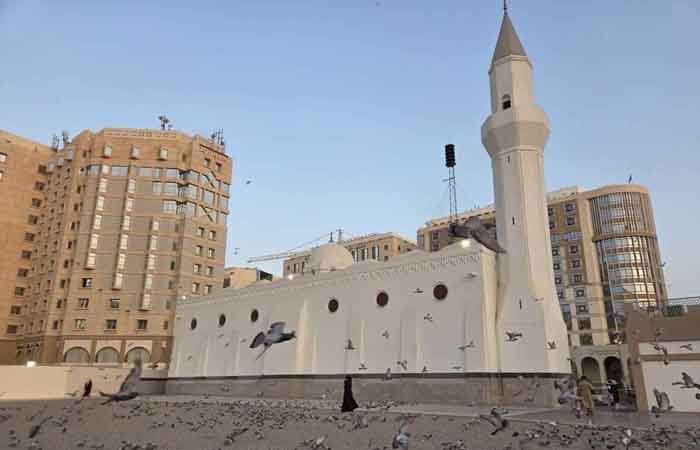
It is one of the sites where the Prophet (peace be upon him) performed Eid prayers. The mosque takes its name from Ali ibn Abi Talib because he led the Eid prayer at this location during the caliphate of Uthman ibn Affan.
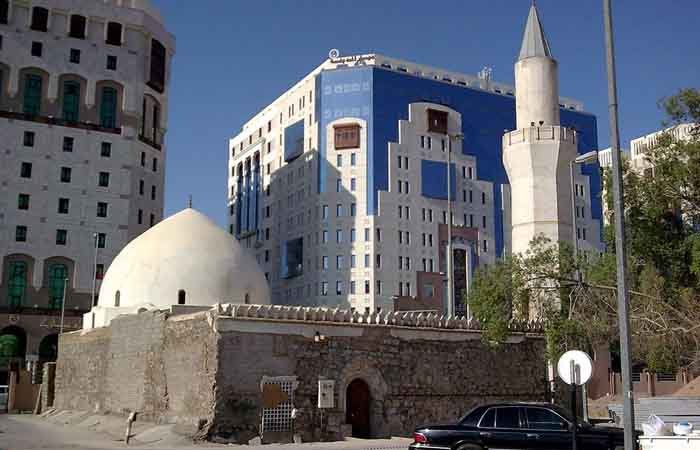
Shaykh Shams al-Din Muhammad ibn Ahmad al-Salawi built this mosque in the southern part of the Musalla. Many historians believe the builders constructed it on or near the house of ‘Abdullah ibn Dhurah al-Muzani, where the Prophet (peace be upon him) performed his third Eid prayer.
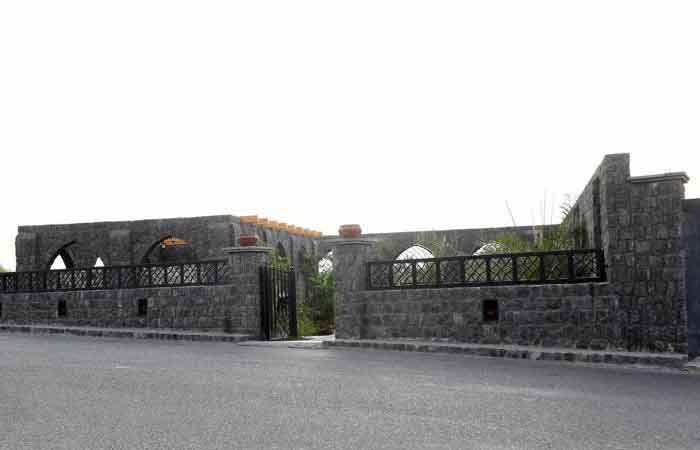
Its story dates back to the second year after the Hijrah, when the Prophet (peace be upon him) visited his companion Talha ibn Al-Barra (may Allah be pleased with him), a young man from the Bani Unaif tribe who had fallen ill. During this visit, the Prophet prayed at the site where this mosque now stands.
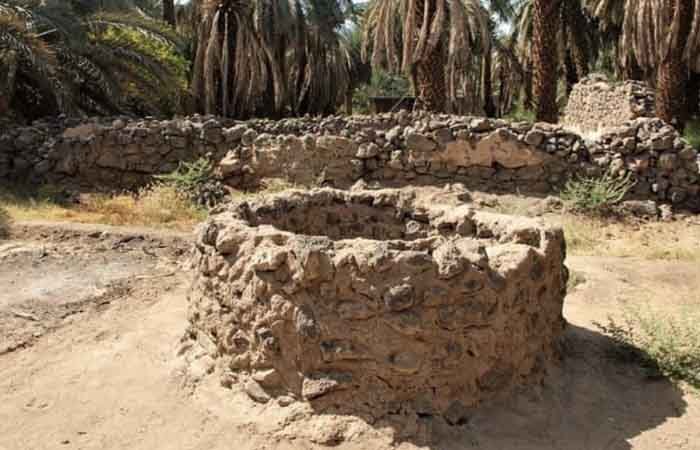
The owner of the well used to charge for the water, so the Prophet Muhammad (peace be upon him) said: “Who will buy the well of Ruma and make his bucket alongside the buckets of the Muslims will have something better for him in Paradise?” Uthman ibn Affan purchased it, making it one of the first endowments in Islam.
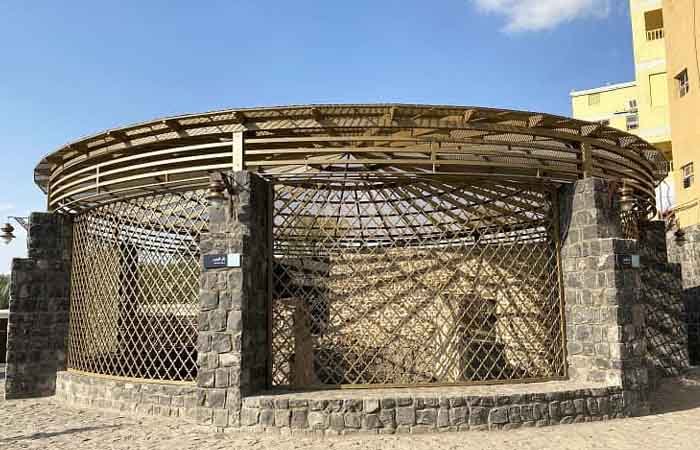
It is one of Madinah’s most renowned prophetic wells. The Prophet Muhammad (peace be upon him) drank from its water, performed ablution with it, and prayed for its blessing. He also instructed Ali ibn Abi Talib to use this water for washing him after his passing.
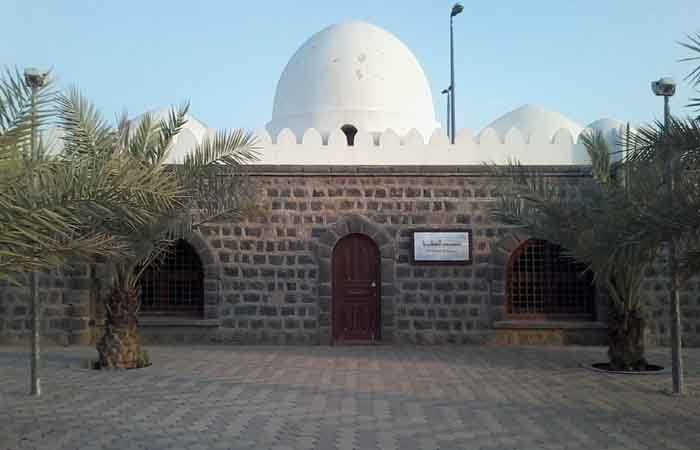
The mosque takes its name from its proximity to the well of al-Suqya, where the Prophet Muhammad (peace be upon him) drank water and performed ablution before heading to the Battle of Badr. Near the well, he prayed two units of prayer, asking Allah to bless Madinah and grant victory to his army.
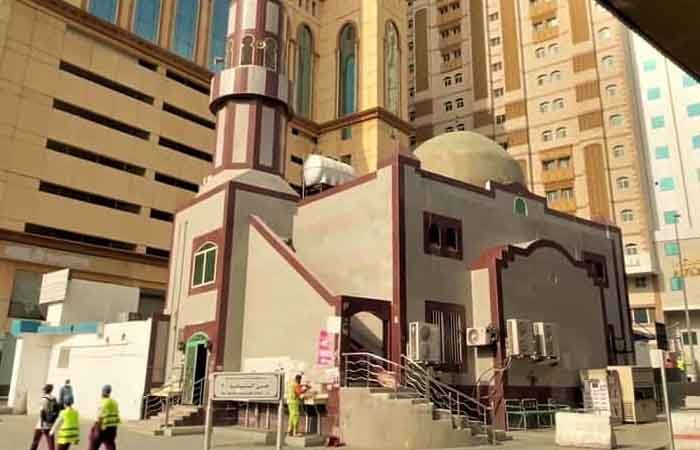
This historic mosque in Madinah stands on Jebel Dhubab, also known as Jebel al-Rayah, and takes its name from this location. It is one of the sites where the Prophet Muhammad (peace be upon him) set up a tent during the Battle of the Trench (Ghazwat al-Ahzab) to oversee the digging of the trench.
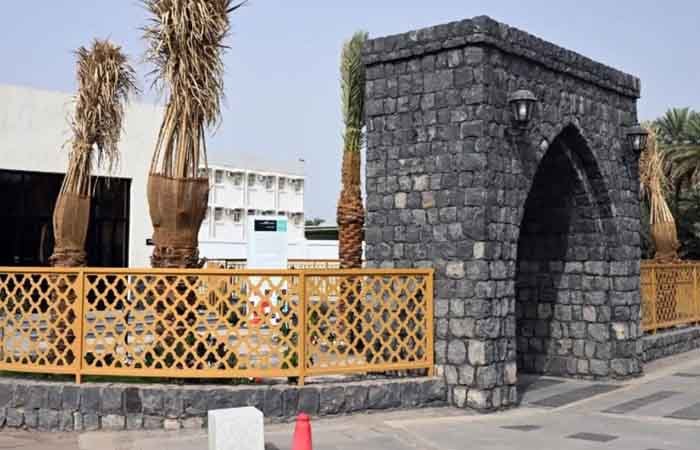
This site is connected to the noble prophetic biography, as the esteemed companion Salman al-Farsi worked on its farms. The Prophet Muhammad (peace be upon him) planted date palms in exchange for Salman’s emancipation, and by Allah’s will, the trees bore fruit the following year as a prophetic miracle.
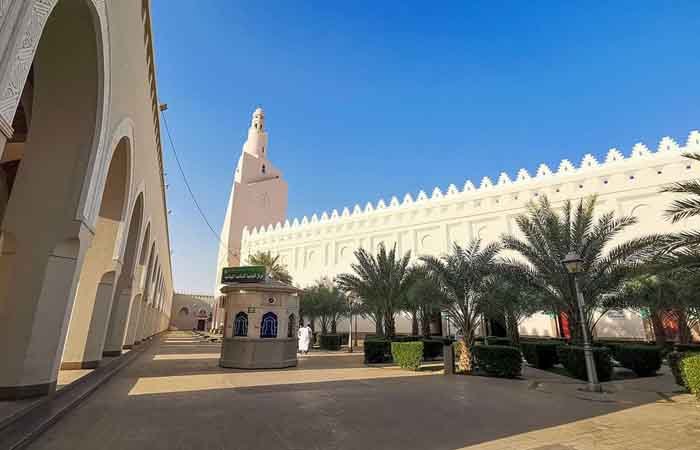
On their way to the Sacred Mosque in Makkah, pilgrims passing from or through Madinah stop at this mosque and put on their Ihram garments.
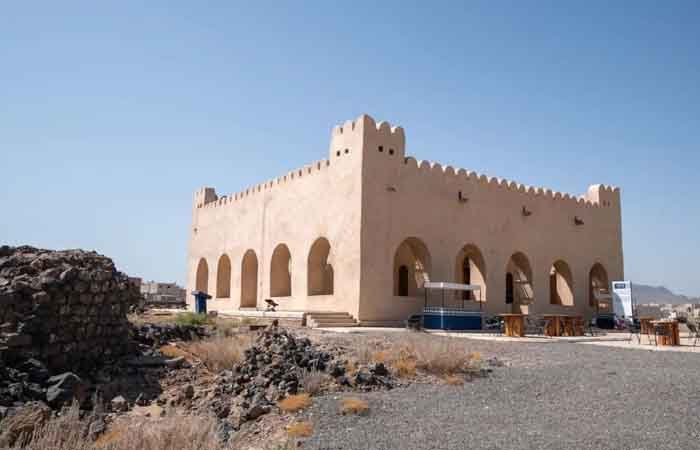
Urwah ibn al-Zubayr was one of the city’s seven renowned jurists. His home became a haven of hospitality, and his farmland served as a charitable endowment for travelers. The site stands on the eastern bank of Wadi Al-Aqiq, along the route to Dhul Hulaifah.
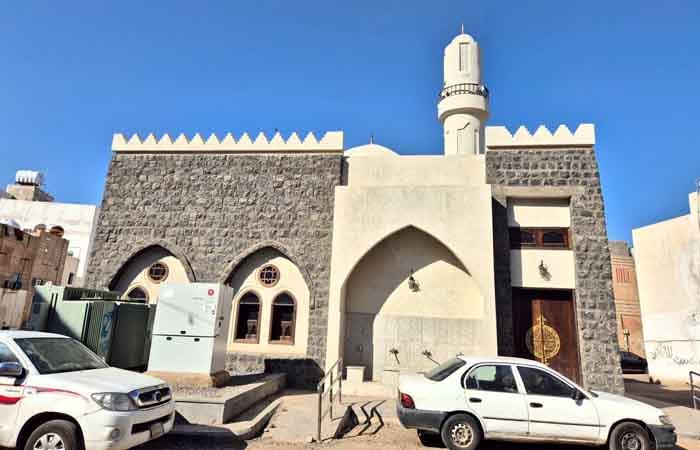
Masjid Bani Haram stands in the area where the Bani Haram clan lived. This is also where the Muslim camps were based during the Battle of the Trench. The house of Jabir ibn Abdullah stood here, and a miraculous event involving the sacrifice of sheep occurred at his home.
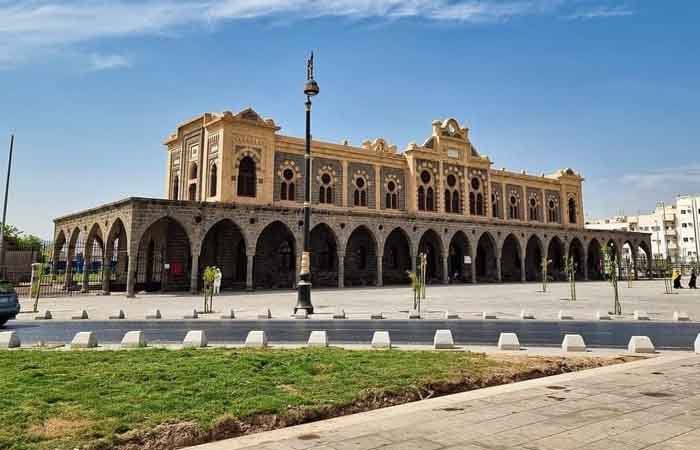
Sultan Abdul Hamid II built the Hijaz Railway during his reign. This new train line improved travel for pilgrims. The railway stopped operating after attacks destroyed its tracks in 1916 during World War I.
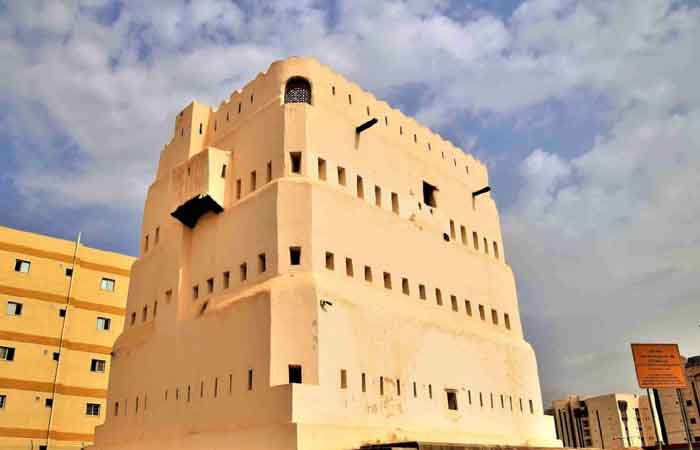
This fort acted as a military lookout and served as a primary defense for Madinah during the early twentieth century.