
Holy Sites of Makkah
Discover the holy sites of Makkah and experience the sanctity, history, and spirituality of the city, from the majestic Masjid al-Haram and the Kaaba to its historic landmarks of deep significance in Islamic history.
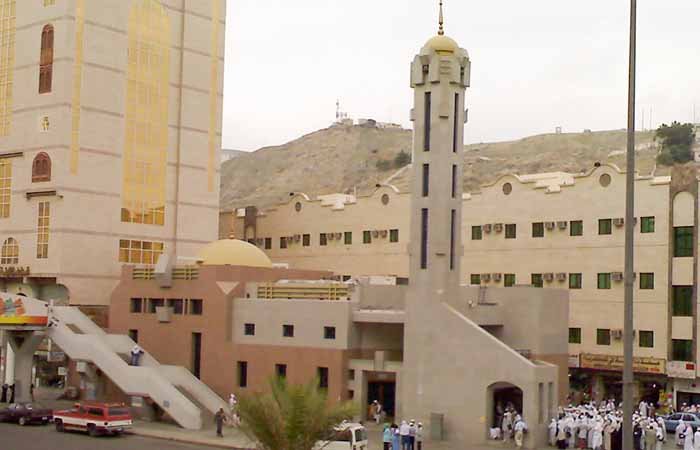
It is one of the significant historical mosques in Makkah, located near the Masjid-al Haram. This Mosque is named after the place where the Prophet Muhammad (peace be upon him) met the jinn at night, and where Surah Al-Jinn was revealed. It is also called the Mosque of the Pledge because the jinn pledged allegiance to the Prophet at this location.
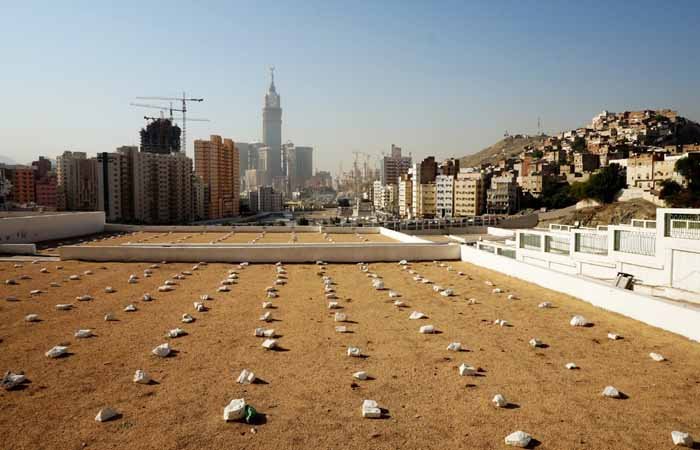
Not far from the Grand Mosque, Jannat al-Mu’alla is the second most famous cemetery in the Islamic world, holding the graves of many of the relatives of Prophet Muhammad (peace be upon him) including his wife Ummul Mu’mineen Khadija (may allah be pleased with her), grandfather Abdul Muttalib, and uncle Abu Talib.
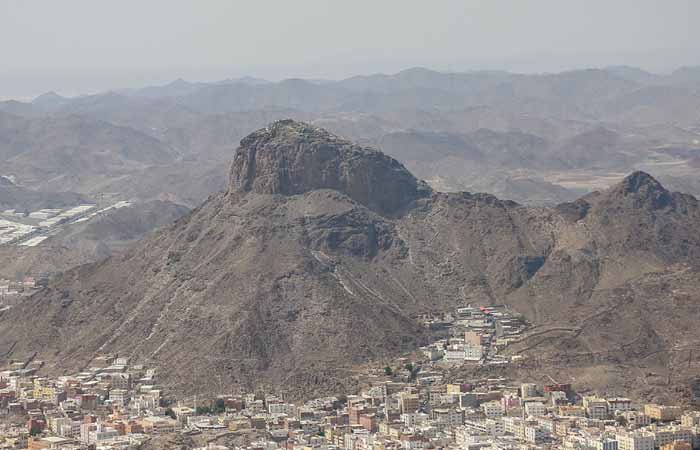
One of the famous mountains in Islamic history. This mountain includes the Cave of Hira, where the Prophet Muhammad (Peace be upon him) used to worship before the Prophethood. It is the place where the first verses of the Quran were revealed, with the words: “Read! In the name of your Lord Who creates. [He] creates man from a clot. Read! And your Lord is the Most Bounteous. It is He Who teaches by the pen. [He] teaches man that which he does not know.” [Surah Al-Alaq: 1]

The Prophet Muhammad (peace be upon him) and his companion Abu Bakr al-Siddiq took refuge in the Cave of Thawr for three nights during their migration to Madinah. The disbelievers of Quraysh followed their trail to the entrance of the cave but were unable to find them.
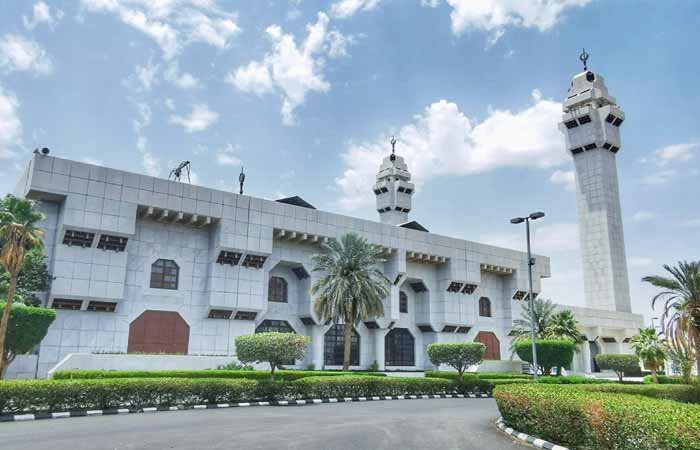
It is one of the places from which residents of Makkah and others enter into Ihram for Umrah. The site gained its fame, because Aisha bint Abu Bakr (may Allah be pleased with her) entered into Ihram for Umrah from there following the Farewell Pilgrimage. Therefore, it is named the Mosque of Aisha (may Allah be pleased with her).
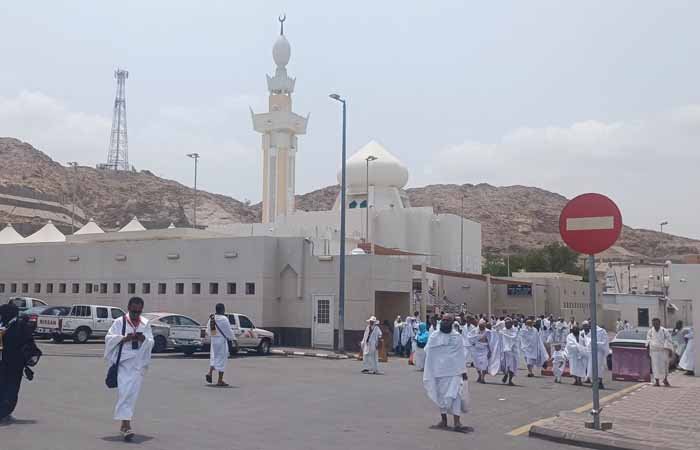
Masjid al-Ji’rranah is one of the Miqat places where pilgrims enter into the state of Ihram for the performance of Umrah. The Prophet Muhammad (peace be upon him) performed Umrah from this location after the Battle of Ta’if. He also stayed here after returning from the Battles of Hunayn and Autas in the eighth year of Hijra, where he distributed the spoils of war.
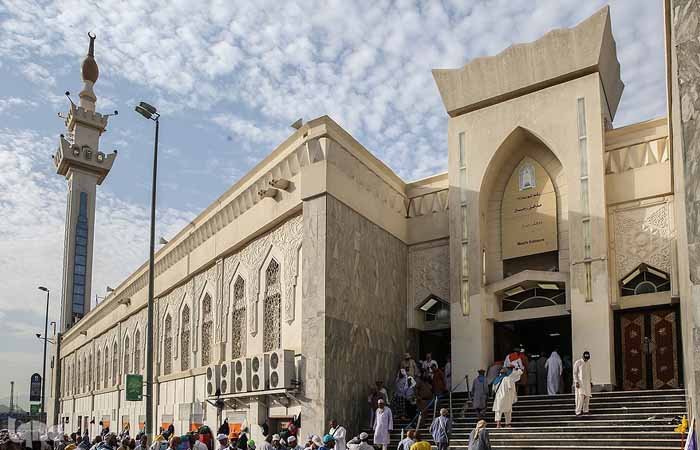
Located in the Mina area, specifically near the small Jamarah. This mosque is named after the “Khayf of Banu Kinana. Due to its location within the heart of the Mina valley, it is also frequently referred to as the Mina Mosque. It was narrated that “seventy prophets prayed in Al-Khayf Mosque. Moreover, the Prophet Muhammad (peace be upon him) stayed at this location during the Farewell Pilgrimage.
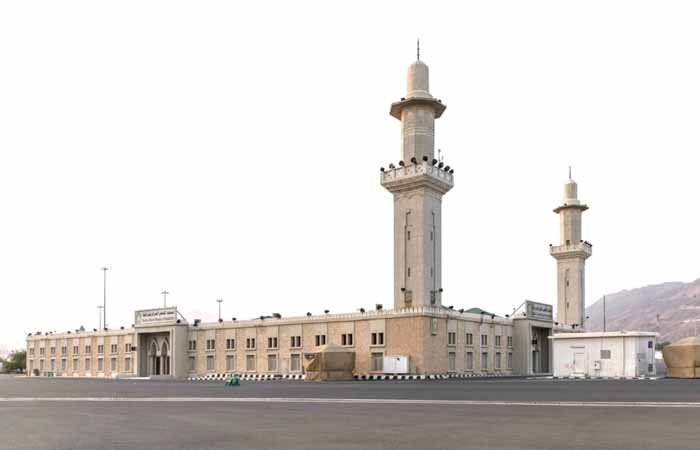
It is located in the holy site of Muzdalifah, between Nimrah Mosque in Arafat and al-Khayf Mosque in Mina. The mosque opens its doors on the night of Eid al-Adha, the tenth of Dhu al-Hijjah, to welcome the pilgrims of the Grand Mosque of Allah for the Maghrib and Isha prayers, and for spending the night in Muzdalifah, after standing on the plain of Arafat.
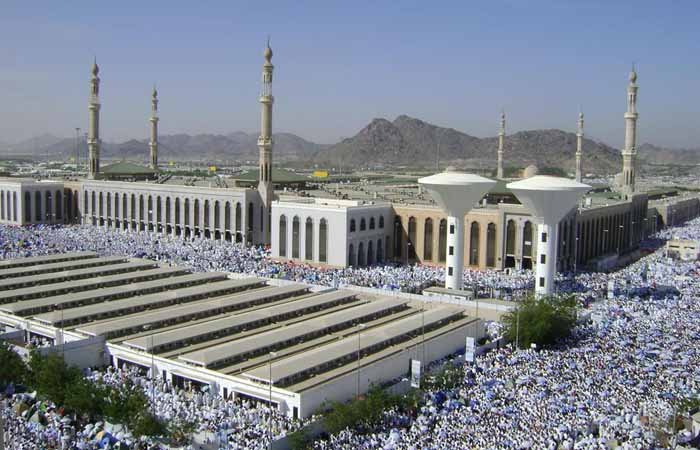
Namirah Mosque is one of the most important landmarks in Arafah. On the day of Arafah, thousands of pilgrims who come from all over the world pray in this mosque. The Pilgrims pray the Dhuhr and Asr prayers combined, following the example of the Prophet. After the sun passed its zenith, the prophet moved to the valley of Uranah where he delivered a sermon and prayed with the people.
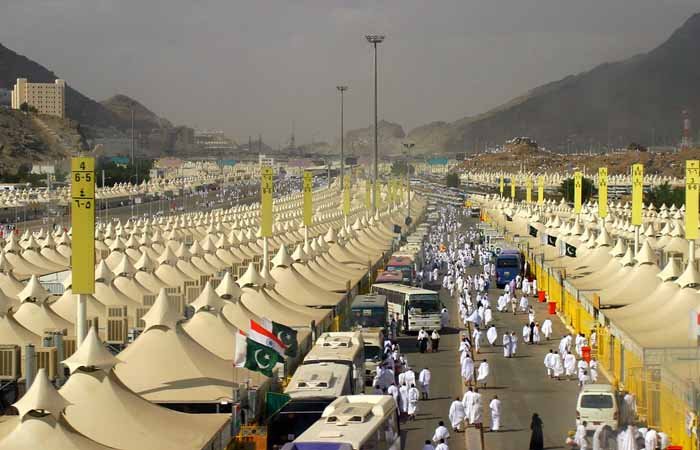
Mina is fundamentally the first stage of the Hajj journey. Initially, pilgrims arrive here to spend the Day of Tarwiyah (the eighth day of Dhu al-Hijjah).After completing the rituals at Arafat and Muzdalifah, pilgrims return to Mina once again. Pilgrims remain in the city of tents on the day of Nahr (the tenth day of Dhu al-Hijjah). And later, the three Days of Tashreeq (the eleventh, twelfth, and thirteenth days of Dhul-Hijjah).
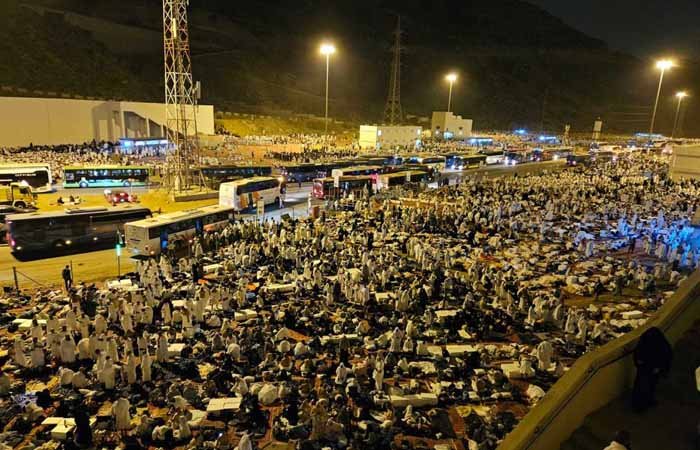
It is a sacred open plain located between Mina and Arafat. After sunset on the Day of Arafah (9th Dhul Hijjah), pilgrims depart for Muzdalifah. Upon arrival, they join and shorten Maghrib and Isha prayers and collect pebbles for Jamarat. Subsequently, pilgrims spend the night under the open sky.
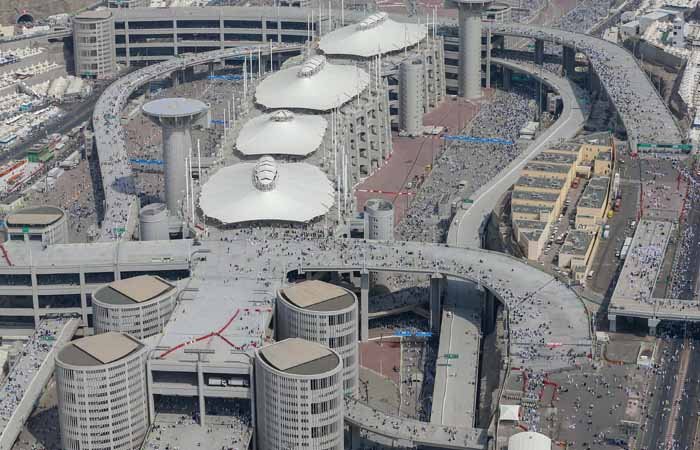
Located in the Mina area, this bridge was built and developed during the Saudi era to facilitate the process of stoning the Jamarat for pilgrims. It is situated at the location where Shaitan was said to have tried to tempt the Prophet Ibrahim (peace be upon him) when he intended to sacrifice his son Ismail. It has since become the designated area for pilgrims to perform the stoning ritual at the three Jamarat: The small Jamarah, the middle Jamarah, and the large Jamarah (Jamarat al-Aqabah).
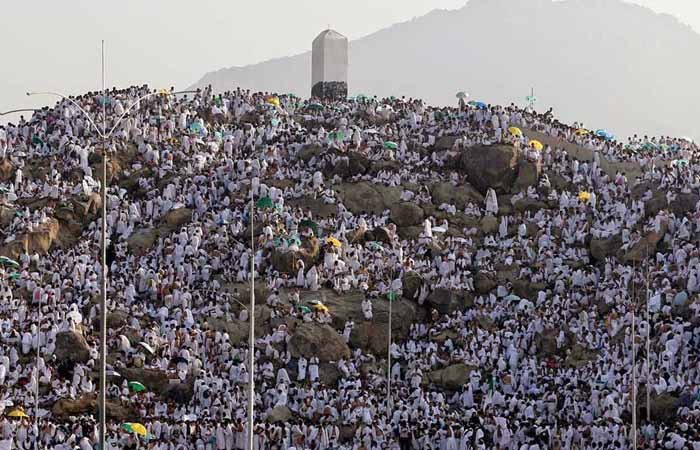
Notably, Arafat is the major Hajj ritual site situated outside the sacred boundaries of the Haram. It is famously recognized as the site where the Prophet Muhammad (PBUH) delivered his Farewell Sermon. The act of Wuquf (standing) on the plain of Arafat is the most critical pillar of the Hajj. However, the failure to be present there on the 9th of Dhu al-Hijjah invalidates the entire pilgrimage.
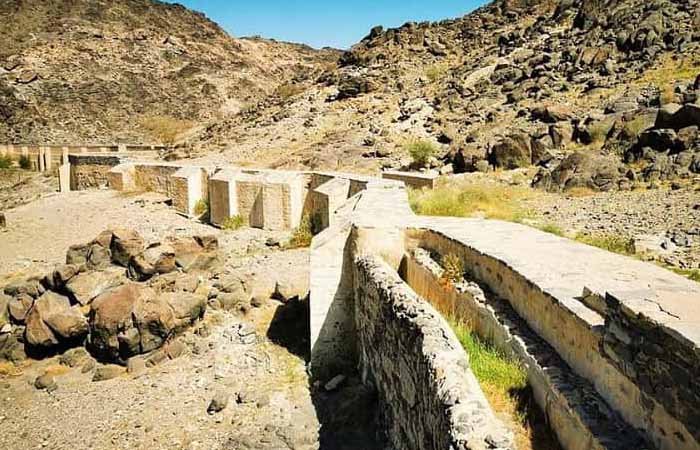
It is located in Wadi Na’man on the road between Taif and Makkah. It is named after Abbasid queen Zubaida bint Ja’far, the wife of Caliph Harun al-Rashid, who ordered the delivery of water from the spring to Makkah in the year 174 AH, after observing the hardships faced by pilgrims. The project took ten years, and the length of the channels extending to Makkah is 38 km.
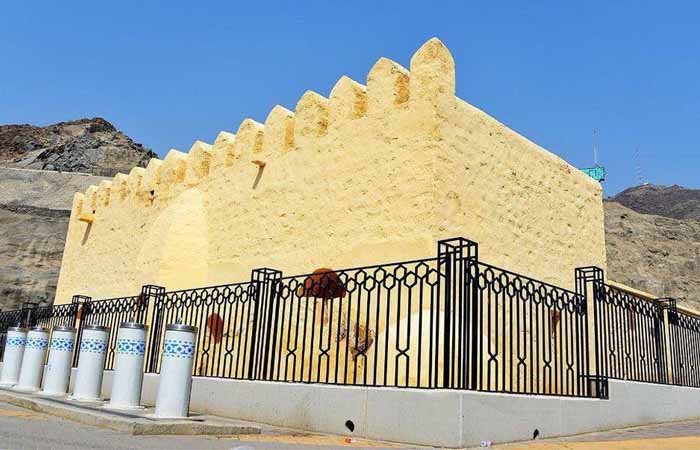
It is located at the base of Mount Thubayr overlooking the Jamrat area in Mina., At the site of the Pledge of Aqabah, where the Ansar pledged allegiance to the Prophet Muhammad (peace be upon him) in the presence of his uncle, Abbas ibn Abdul Muttalib. This pledge led to the migration of the Prophet to Madinah.
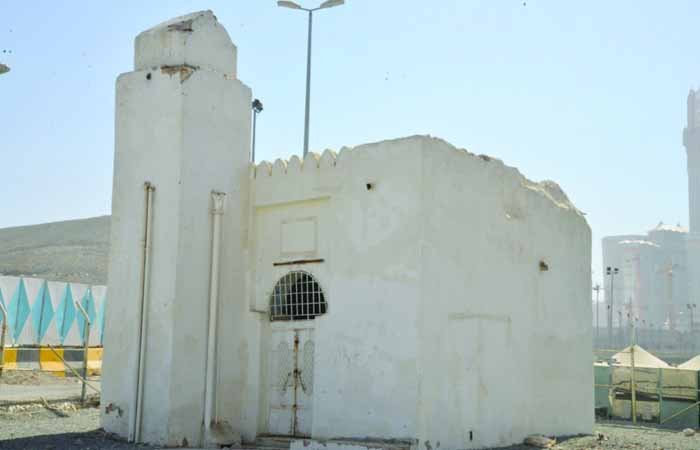
Located in the valley of Tuwa in Makkah, Al-Shafi’i said that the valley was named Dhi-Tuwa because of a well there that was covered with stones. It is mentioned that the well was dug by Abd Shams ibn Abd Manaf ibn Qusayy. The Prophet Muhammad (peace be upon him) stayed by the well of Tuwa in the valley of Tuwa on the night of his arrival during the Umrah of Qada and the Farewell Pilgrimage. He also stopped there on the Day of Conquest to organize his army and direct them to enter Makkah.
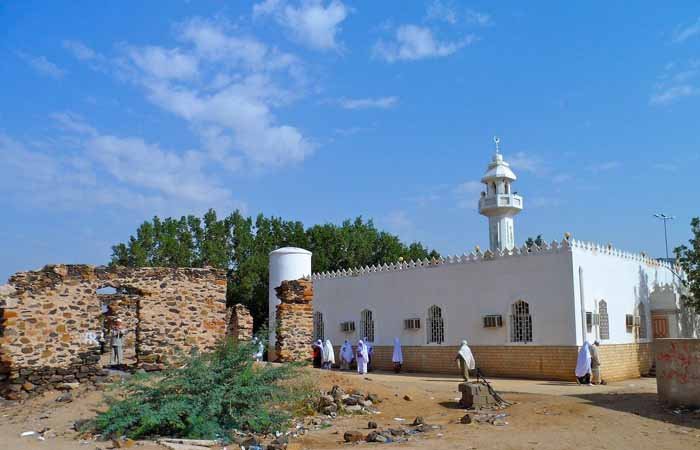
Located along the old Jeddah road, Hudaybiyyah is situated approximately 24 kilometres from the Masjid al-Haram in Mecca. The site is globally renowned for the Treaty of Hudaybiyyah, a pivotal peace agreement signed in 6 AH (628 CE) between the Prophet Muhammad (PBUH) and the Quraysh.